How TMJ Treatment Helps Relieve Strain on the Jaw
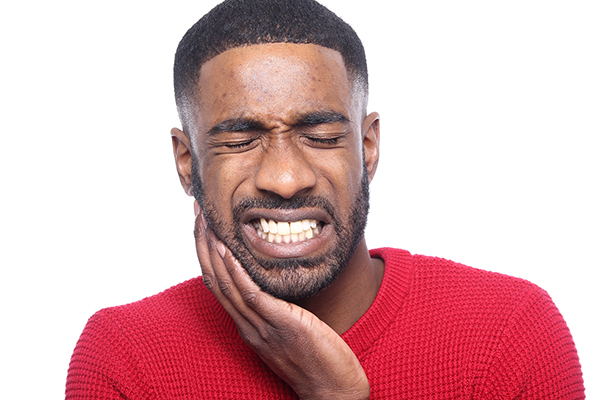
TMJ treatment can help patients reduce jaw strain, improve daily comfort, and address bite-related issues that affect how the mouth moves. The temporomandibular joint (TMJ) connects the jaw to the skull and helps with speaking, chewing, yawning, and opening the mouth. When the TMJ or the surrounding muscles become irritated, even simple routines like eating breakfast can feel uncomfortable. A dentist can evaluate jaw movement, tooth wear, bite balance, and muscle tension, then create a plan to help relieve pain and discomfort.
Why the jaw starts to feel strained
Jaw strain can develop slowly over time because the TMJ works hard throughout the day. It moves during meals, speech, swallowing, and facial expressions. When the bite does not align well, or when a patient clenches and grinds the teeth, the jaw muscles may remain tense longer than they should. That extra tension can make the TMJ feel irritated or tired.
Stress can exacerbate the problem if the patient frequently clenches their jaw. The same applies to those who clench or grind their teeth while sleeping (a condition called bruxism). This repeated pressure can strain the muscles, joints, teeth, and dental restorations over time.
Signs that may point to TMJ problems
It may be time to see a dentist for TMJ treatment if the patient routinely experiences:
- Jaw pain, tightness, or fatigue
- Clicking, popping, or grinding sounds in the jaw
- Headaches near the temples
- Ear-area discomfort without an ear infection
- Teeth that feel sore or sensitive
A TMJ evaluation often starts with a conversation about symptoms. The dentist may ask when the discomfort happens, what makes it worse, and whether the patient notices morning headaches or jaw locking. These details help the dentist connect daily habits with jaw function.
TMJ treatment may start with small changes
Many TMJ treatment plans begin with simple steps that reduce pressure on the jaw, primarily a night guard for those with bruxism. Other recommendations include eating a softer diet for a short time, using warm compresses, and doing gentle jaw stretches. Patients may also benefit from changing habits that overload the joint, such as limiting chewing gum and not biting the nails. In addition, learning to relax the jaw during work, driving, or stressful moments can help reduce daily strain.
Custom nightguards and oral appliances for TMJ
A custom nightguard can help protect the teeth and jaw from grinding and clenching. These custom appliances fit the patient’s bite precisely, which can make them more comfortable than over-the-counter options. The dentist can also adjust the appliance so the teeth meet in a way that supports a more relaxed jaw position. After using a night guard regularly, patients often report improvements in morning jaw soreness, morning headaches, and even tooth sensitivity.
Balancing or realigning the bite
Sometimes, TMJ strain comes from how the teeth fit together. If one side of the bite hits harder than the other, the jaw may work harder to chew evenly. Missing teeth, worn teeth, older dental work, or uneven restorations can all affect the balance of the bite.
Small changes, such as replacing worn crowns, may improve how the teeth meet. Other patients may need orthodontic treatment if alignment contributes to TMJ strain.
Ask a dentist about TMJ treatment
Jaw strain can be frustrating, but a dentist can help. With TMJ treatments, it is possible to limit jaw clicking, popping, and discomfort. Contact Dr. Harneet Kaur DDS today for more information.
Request an appointment here: https://mypasoroblesdentist.com or call Dr. Harneet Kaur DDS at (805) 205-9298 for an appointment in our Paso Robles office.
Check out what others are saying about our dental services on Yelp: TMJ Dentist in Paso Robles, CA.
Related Posts
Jaw pain, headaches, and difficulty chewing can severely impact daily life. Fortunately, a TMJ dentist offers specialized care to diagnose and treat disorders of the temporomandibular joint (TMJ), providing relief and restoring comfort. These dental professionals specialize in identifying the underlying causes of TMJ disorders and developing treatment plans tailored to your specific needs.The temporomandibular…
TMJ disorder, or temporomandibular joint disorders, refers to a group of issues related to mobility and discomfort around the jaw joints. The temporomandibular joints are the joints that link the lower jawbone (mandible) to the skull. More than any other joint in the body, these flexible joints are constantly in use, performing actions such as…
TMJ disorder can cause an immense amount of pain and serious dysfunction in the jaw and facial region. It is necessary to see a general dentist for TMJ disorder treatment options. General dentists undergo extensive training that prepares them to properly diagnose and treat TMJ. Thinking only a medical professional can treat TMJ? In fact, dental…
Find out more about TMJ, a common jaw-related disorder. Visiting a general dentist allows individuals to receive a proper diagnosis, as well as understand how severe the TMJ is. Once diagnosed, treatment is the next step.Understanding what TMJ is and how it can affect one’s oral health is important. Since TMJ can also affect one’s…