Common Signs of Gum Disease Around Dental Implants
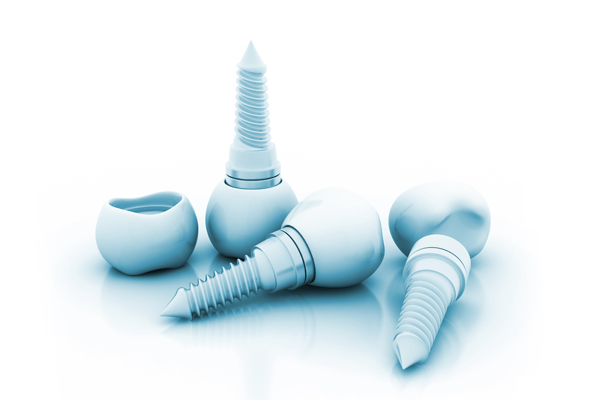
Dental implants can replace missing teeth, but the surrounding tissues still require daily care and professional monitoring. Gum disease around implants (peri-implantitis) can begin with inflammation in the soft tissue and may progress to bone loss if it worsens. Recognizing the signs and seeing a dentist early on can make treatment easier.
How a general dentist evaluates peri-implant health
Routine implant maintenance may include visual examination, probing when appropriate, checking for bleeding or pus, evaluating the restoration, and comparing bone levels. These findings provide a baseline for visits and help identify meaningful changes over time. The dentist also looks at plaque control, bite forces, and risk factors such as a history of periodontal disease, smoking, or diabetes. Overall, specific treatment plans depend on whether the problem involves soft-tissue inflammation, bone loss, the restoration, or the implant itself.
Here are some of the most common signs of peri-implantitis to watch out for:
Redness, swelling, and bleeding around dental implants
Healthy tissue around dental implants should generally appear firm and free from persistent inflammation. Redness, puffiness, tenderness, or bleeding during brushing or flossing can signal peri-implant mucositis, which affects the soft tissue around an implant without bone loss. The American Academy of Periodontology notes that this condition may be reversible if identified and treated early. The general dentist can examine the tissue, measure the area around the implant, and look for plaque or other factors contributing to inflammation.
Gum recession or changes around the implant
Gum recession can make more of an implant restoration or abutment visible than before. Recession does not necessarily indicate peri-implantitis, but any noticeable tissue change should be evaluated. The general dentist can determine whether the change relates to inflammation, tissue thickness, brushing habits, implant position, or another factor. Monitoring these changes over time is important because the appearance of the gumline can provide clues about the health of the surrounding tissues.
Pus, persistent bad taste, or tenderness
Suppuration, or pus around an implant, is another sign that requires professional attention. Some patients may also notice a persistent unpleasant taste, tenderness, swelling, or discomfort near the restoration. Patients cannot simply brush these symptoms away. They often occur when inflammation worsens and return shortly after standard oral-hygiene routines. However, because several dental problems can cause similar symptoms, an examination is a good first step.
A loose implant
A dental implant should not feel loose after it has fully integrated with the jawbone. Movement may come from the crown, abutment, or another component, but mobility of the implant itself can indicate a more serious problem. Because peri-implantitis involves inflammation and progressive loss of the supporting bone, imaging and periodontal measurements may be needed when the disease is suspected. Patients should avoid repeated testing or movement of dental implants and instead have any new mobility evaluated promptly.
Schedule an evaluation
Do not ignore redness, bleeding, swelling, recession, discharge, or mobility around dental implants. Our general dentist can identify the likely cause, recommend appropriate care, and monitor the health of the surrounding tissues. If you experience any of the above symptoms, do not hesitate to schedule an evaluation at our office.
Request an appointment here: https://mypasoroblesdentist.com or call Dr. Harneet Kaur DDS at (805) 205-9298 for an appointment in our Paso Robles office.
Check out what others are saying about our services on Yelp: Dental implants in Paso Robles, CA.
Related Posts
Gaps in a smile can make everyday tasks like eating or talking uncomfortable. Fortunately, dental bridges remain a reliable dental restoration to replace missing teeth and restore your everyday chewing function. This guide provides the information you need about the four types of dental bridges and helps you choose the right option for your unique…
Patients often ask about the importance of maintaining oral health before problems arise. A preventive dentist focuses on avoiding dental issues through proactive care, routine checkups, and education. This blog addresses some of the most frequently asked questions related to preventive dentistry.A preventive dentist works to help patients avoid oral health issues such as cavities,…
Effective gum disease prevention starts with the right tools, and a deep-cleaning toothbrush helps you keep your gums healthy and free of gum disease. Many people assume that any toothbrush will work for their oral health needs. However, the specific design of the bristles makes a massive difference in the fight against gum disease and…
When a dental filling or crown becomes loose, cracked, or worn, seeing a restorative dentist right away is the best way to protect your tooth. It is easy to ignore a tiny chip or a twinge when biting down, but those minor changes are often the tooth’s way of sounding an alarm. Taking action and…