FAQs Answered by a Preventive Dentist
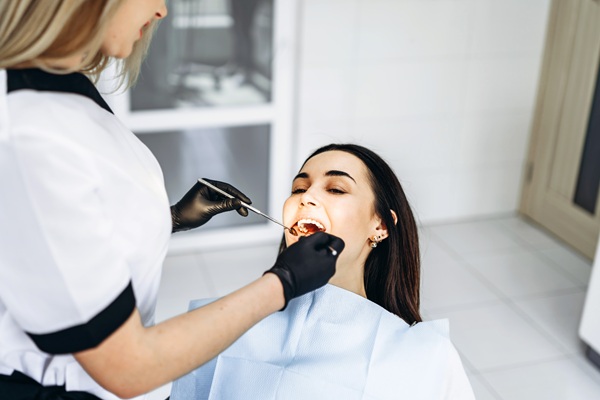
Patients often ask about the importance of maintaining oral health before problems arise. A preventive dentist focuses on avoiding dental issues through proactive care, routine checkups, and education. This blog addresses some of the most frequently asked questions related to preventive dentistry.
1. What does a preventive dentist do?
A preventive dentist works to help patients avoid oral health issues such as cavities, gum disease, and enamel wear. Through regular cleanings, exams, and guidance on at-home hygiene, the goal is to detect and manage minor concerns before they develop into significant problems.
2. How often should dental cleanings occur?
Most patients benefit from professional cleanings every six months. However, individuals with certain conditions, such as gum disease, may require more frequent visits. Regular cleanings remove plaque and tartar that daily brushing and flossing cannot eliminate.
3. Are X-rays necessary at every appointment?
X-rays are not necessary at every visit, but they are important tools for a preventive dentist. They help identify problems that are not visible during a clinical exam, such as cavities between teeth, impacted teeth, or bone loss. The frequency depends on a patient’s oral health history, age, and risk factors.
4. How can diet impact oral health?
Diet plays a major role in dental wellness. A preventive dentist often advises reducing sugary snacks and acidic beverages, which can erode enamel and lead to cavities. A diet rich in calcium, fruits, vegetables, and water supports strong teeth and healthy gums.
5. What habits can improve daily oral hygiene?
For effective daily care, the following habits are recommended:
- Brush teeth twice daily using fluoride toothpaste
- Floss at least once per day to remove plaque between teeth
- Use an antibacterial mouthwash if recommended
- Replace toothbrushes every three to four months
6. What are dental sealants, and who needs them?
Dental sealants are thin coatings applied to the chewing surfaces of back teeth. They protect the enamel from bacteria and acids. A preventive dentist may recommend sealants primarily for children; however, adults without decay or fillings in their molars can also benefit.
7. Is fluoride treatment necessary for adults?
Fluoride strengthens tooth enamel and prevents decay. While commonly associated with children, adults at higher risk for cavities may also benefit. Fluoride treatments are quick, painless, and often provided during routine visits.
8. What role does a preventive dentist play in gum disease prevention?
Preventive dentists monitor gum health through measurements and visual inspections. Early detection of gingivitis enables prompt intervention, typically through enhanced hygiene practices and professional cleanings. Left untreated, it can progress to periodontitis, leading to tooth loss.
9. Can preventive care help avoid costly treatments?
Yes. Preventive care reduces the likelihood of advanced dental issues, which are typically more invasive and expensive to treat. Consistent attention to oral health preserves both natural teeth and financial well-being.
By following the guidance of a preventive dentist and maintaining regular appointments, patients can enjoy long-term oral health with minimal intervention. Prevention is always the best approach in dentistry. For more information or to schedule a consultation, call Dr. Harneet Kaur DDS at (805) 205-9298.
To schedule a consultation, request an appointment on our website at https://mypasoroblesdentist.com or call Dr. Harneet Kaur DDS at (805) 205-9298 for an appointment in our Paso Robles office.
Check out what others are saying about our dental services on Yelp: Preventive Dentist in Paso Robles, CA.
Related Posts
Seeing a preventive dentist is a vital part of your oral healthcare routine each year. However, many people skip this essential step because they do not want to spend time at a dental office. Fortunately, a preventive dentist provides many valuable services that can help your smile last a lifetime and stop future issues before…
Preventive dentistry is for anyone interested in protecting their long-term dental and overall health. It is a branch of dentistry that focuses on treatments that help keep teeth healthy, such as teeth cleanings, fluoride treatments, and dental sealants. Preventive dentistry also includes simple things that you can do on your own to keep your teeth…
Dentists perform dental cleaning to prevent problems like tooth decay and gum disease. A dental cleaning procedure is more intensive than your daily oral hygiene routine.Read on to find out why aftercare is necessary after a dental cleaning. The following also explains how to care for your teeth after professional teeth cleaning.Dentists advise their patients…
Many people question the importance and effectiveness of a routine dental cleaning. To help you understand this preventive treatment, this article covers answers to commonly asked questions about dental cleanings.Patients should get clean teeth and fresh breath after the dental cleaning. Cleanings are normally painless and take less than 45 minutes. The dentist will scrub…